


Postural control deficits are highly prevalent in children with Developmental Coordination Disorder (DCD). We developed an extended, age-specific version of the Balance Evaluation Systems test for children (Kids-BESTest-2; age 5–12) that allows for the identification of specific deficient postural control systems by assessing corresponding postural control test domains.
ObjectiveTo assess the clinical value of the Kids-BESTest-2 in identifying postural control deficits in children with Developmental Coordination Disorder (DCD) by evaluating its construct and predictive validity.
MethodsWe included 89 typically developing (TD) children and 66 children with DCD (age 5–12). Construct validity was established by: 1) exploring differences in Kids-BESTest-2 scores between the known groups (DCD/TD) using the Mann-Whitney U test, 2) determining internal relationships and relationships with child-specific factors with the Spearman rank correlations. Predictive validity was investigated with binary logistic regression analysis.
ResultsTD children outperformed (p<0.001) their DCD peers on the Kids-BESTest-2. The Kids-BESTest-2 correlates moderately (ρ=0.69–0.78, p<0.001) to strongly (ρ=0.79–0.88, p<0.001) with domain scores. The Kids-BESTest-2 total score significantly correlates with the MABC-2 total score (ρ= 0.62, p<0.001), the MABC-2 balance score (ρ=0.64, p<0.001), and age (ρ=0.40, p<0.001). Age and MABC-2 total and balance scores predict a Kids-BESTest-2 total score < 80%, with a 92.0% sensitivity, 92.9% specificity.
ConclusionsThe Kids-BESTest-2 is a valid tool to identify and specify postural control deficits in children with DCD. Clinicians can decide to administer the Kids-BEST-test-2 by using age and MABC-2 total and balance scores to predict performance.

Developmental coordination disorder (DCD) is a neurodevelopmental disorder, marked by challenges in the acquisition and execution of coordinated motor skills, that accounts for motor problems in 5–6 % of school-aged children.1,2 These motor problems significantly impact daily life of these children,1,2 therefore, they must be recognized and assessed with reliable and valid tools to design a tailored, effective treatment.1
Postural control deficits represent a key motor concern in children with DCD, affecting 60–87 %.3–5 Postural control stems from multiple underlying systems, as outlined in Horak’s multisystemic framework: biomechanical constraints, movement strategies (anticipatory postural adjustments (APA) and reactive postural adjustments (RPA)), sensory strategies, orientation in space, control of dynamics and cognitive processing.6 The development of postural control is important for the development of motor skills, which takes place during childhood and is characterized by the continuous development of multiple sensory and motor systems, with not all systems developing at the same rate.7 Thus, an improvement of postural control can be seen with increasing age.8
Children with DCD are often assessed with general motor scales, such as the Movement Assessment Battery for Children, 2nd edition (MABC-2) or the Bruininks-Oseretsky Test of Motor Proficiency, 2nd edition because it comprises different types of motor skills and helps in the diagnostic process.1,9–11 These motor scales are norm-referenced, enabling the clinician to decide in which motor skill area children with DCD exhibit the most pronounced difficulties.10,11 The MABC-2 is by far most frequently applied in DCD research.1 However, in each age band, only three items focus on balance, i.e. standing on one leg or tandem stance, walking on a line, and jumping or hopping.1,10 These MABC-2 balance subscale items only address APA, sensory strategies, and control of dynamics of Horak’s framework.6 Consequently, this general motor scale is unable to determine in which underlying postural control systems the problems are present.6
A recent systematic review listed the different functional postural control assessments in children.12 Seven test batteries were found, which looked at multiple systems of postural control: Balance Evaluation Systems Test for Children (Kids-BESTest), Fullerton Advanced Balance scale (FAB), Early Clinical Assessment of Balance, Ghent Developmental Balance Test, Pediatric Balance Scale, Berg Balance Scale, and Community Balance & Mobility Scale. Only the Kids-BESTest and the FAB cover the entire multi-systemic framework, as defined by Horak.6,12
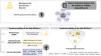
The Balance Evaluation Systems Test (BESTest) is a comprehensive, criterion-referenced postural control assessment tool,13 specifically developed to meet the needs of a multisystemic assessment approach. The BESTest consists of six domains, corresponding to the multisystemic framework,6 with test items derived from other existing tests.13 The major advantage of the (Kids-)BESTest over the FAB is its capacity to identify specific deficiencies in the different postural control systems, due to the six-domain structure of the assessment tool. The BESTest was originally developed for the neurological adult population.13 The pediatric version, i.e. the Kids-BESTest for children aged eight years and older was developed by Dewar et al. (2017) by adjusting the instructions for therapists and children and adapting the materials.14 However, only minor changes were made to the original adult-based scoring criteria, yet child-specific criteria are essential to prevent child-adult comparisons.14 Considering the developmental aspects of postural control and criterion-referenced nature of the Kids-BESTest, age-specific scoring criteria were necessary.7,8 Postural control problems usually emerge before the age of eight.15–18 Moreover, certain items such as reaching forward, standing with eyes closed, and standing on one leg are difficult to perform for children under the age of five.19,20 Consequently, the Kids-BESTest-2, an extended, age-specific version of the original Kids-BESTest, was developed in collaboration with the original developers. The Kids-BESTest-2 contains redefined qualitative descriptions for each item which represent signs of instability and age-appropriate cut-off values were created for the quantitative descriptors. Furthermore, five age bands were defined with specific scoring.21
Our recent systematic review found the original Kids-BESTest to be reliable but evidence concerning its validity is insufficient.12,14 Therefore, determining the construct and predictive validity of the Kids-BESTest-2 is important for its utility in identifying postural control problems. Construct validity can be determined by looking at the test’s ability to distinguish children with known postural control deficits from typically developing peers (known-groups validity). It can also refer to the structure of the test (internal relationships), for which relationships between components or subscales should be explored (e.g. relationships among domain scores and with the total score). Moreover, construct validity can be determined by testing the relationship between the Kids-BESTest-2 scores and the scores of another test, expected to partially measure the same construct, such as gross motor skill performance (e.g. measured with the MABC-2, total score).22 Similarly, concurrent validity reflects how well an instrument’s scores align with the gold standard (e.g. measured with the MABC-2, balance subscale).22 Furthermore, an assessment tool used in clinical practice to establish a functional diagnosis and set out goals for occupational or physical therapy should be able to detect underlying difficulties, which can be explored using a reference test (e.g. MABC-2 balance subscale).22,23 Because identifying postural control deficits in children with DCD is a cornerstone in therapy planning, a test’s predictive validity, i.e. the ability to correctly identify those children with (i.e. sensitivity) and without (i.e. specificity) a postural control deficit correctly, are crucial measurement properties to determine.24
The Kids-BESTest-2 seems to be a suitable test to assess postural control in children with DCD,25 but there is insufficient evidence concerning the validity of the measurement tool. Thus, this study aims to examine the construct validity of the Kids-BESTest-2 in children with DCD, and its predictive validity to establish a functional diagnosis in children with known postural control difficulties. We therefore intend to answer the following research questions:
- •
Is the Kids-BESTest-2 a valid tool to map specific postural control problems in children with DCD? It is hypothesized that the performance of children with DCD will be significantly lower compared to their typically developing peers. Furthermore, the Kids-BESTest-2 is moderately related to the MABC-2 total score (correlation coefficient <0.7). Lastly, a moderate to high correlation (correlation coefficient <0.9) is expected between the Kids-BESTest-2 total score and the MABC-2 balance subscale (concurrent validity), as well as between the Kids-BESTest-2 domains and the total score (construct validity, internal relationships).
- •
Can the Kids-BESTest-2 be used to predict a functional diagnosis in children with postural control difficulties? We hypothesize that the Kids-BESTest-2 will be able to sensitively predict the presence of postural control deficits.
Three studies, approved by the Committee for Medical Ethics UZA-UAntwerp (B300201941833 (study 1)), and the ethical committee of Hasselt university (B1152020000009 (study 2), B1152022000001 (study 3)), generated the data of this study (September 2021-April 2024). Recruitment for convenience sampling was performed through the investigator’s network, private physical therapy practices, schools, and child assessment centers. Parent(s) or legal guardian(s) gave written informed consent and the children provided informed assent. Three assessors conducted the measurements at school or at the research center, with both motor assessments taking place on the same day. The data presented here are a secondary analysis of these anonymized datasets.
ParticipantsTypically developing children and children with DCD aged between 5 and 10 (study 1) and 8 and 12 years (study 2) were included based on the defined eligibility criteria. Children with DCD were included when they had a formal diagnosis of DCD based on the Diagnostic and Statistical Manual of Mental Disorders (DSM-5) criteria or when they did not yet have a formal diagnosis but fulfilled the DSM-5 criteria (probable DCD)2: (A) the acquisition and execution of motor skills are below the age-appropriate level objectified by the MABC-2 (total score ≤ percentile 16),10 (B) the motor skill deficits significantly interfere with the activities of daily living, objectified with the DCD Questionnaire, (C) the symptoms were already present during childhood, and (D) the deficits cannot be explained by other conditions. Typically developing children were included when they: (i) were born at term (≥ 37 weeks of gestation), (ii) scored above the 16th percentile on the MABC-2, confirming typical motor development, and (iii) had no other diagnosis impeding typical balance performance.
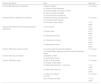
Balance evaluation systems test for children, 2nd edition (Kids-BESTest-2)The Kids-BESTest-2 (Appendix 1) is a comprehensive criterion-referenced test, comprising six domains with a total of 28–36 items, depending on the age band (5; 6; 7; 8–10 and 11–12 years). Each item is scored on a 4-point Likert scale between 0 (unable to perform independently) and 3 (best performance). Per domain, the task scores are summed and expressed as a percentage. The total score, calculated as the sum of all task scores and expressed as a percentage of the maximum, indicates a postural control deficit if below 80 %.25 The original Kids-BESTest is reliable in typically developing children and validity has been studied for specific tasks14,26,27 in children aged eight and older. The Kids-BESTest-2 has good interrater reliability for both the total and the domain scores.21
Movement assessment battery for children – 2nd edition (MABC-2)The DCD guidelines recommend using the MABC-2 for the assessment of motor functions (Criterion A of the DSM-5).1,2 The MABC-2 is a norm-referenced, reliable, and valid test for evaluating motor performance in children between 3 and 16 years old.28 The test consists of three age bands (3–6; 7–10; 11–16 years), each comprising eight items divided over three domains: manual dexterity (3 items), aiming and catching (2 items), and balance (3 items). The raw performance scores are converted to standard scores and percentile rank scores.10
Data analysis and statistical analysisStatistical analyses were performed with SPSS 29.0 for Windows. Mean and standard deviations were used to describe the sample. Shapiro-Wilk test was used to check normal distribution. Median values and interquartile ranges describe the Kids-BESTest domain and total scores.
Construct validityConstruct validity was investigated by exploring: 1) differences between typically developing children and children with DCD (known-groups validity; Mann-Whitney U test), 2) internal relationships between the Kids-BESTest domain and total scores (Spearman’s rho rank correlations (ρ)), and 3) the relationship between the total score and child-specific factors such as age, sex, group (DCD/ typically developing), and MABC-2 total and balance percentile scores (Spearman’s rho rank correlations (ρ)). The Kids-BESTest-2 total scores were utilized as a percentage varying between 0–100 % and as a dichotomized value (<80 % (=1, poor performance) versus ≥ 80 % (=0, normal performance)).25 Correlation coefficients were interpreted as: very high (0.9–1.00), high (0.7–0.9), moderate (0.5–0.7), low (0.3–0.5), or negligible (< 0.3).29
Concurrent validityTo examine concurrent validity, the relationship between the Kids-BESTest-2 total score and MABC-2 balance percentiles was explored (Spearman’s rho rank correlations (ρ)). Correlation coefficients were interpreted similarly as above.
Predictive validityTo explore the Kids-BESTest-2′s predictive validity for identifying postural control deficits, dichotomized values were used. First, sensitivity and specificity between the Kids-BESTest-2 and the MABC-2 balance subscale (reference test) were established. Secondly, a stepwise backward logistic regression was applied to identify the optimal combination of variables predicting a poor performance on the Kids-BESTest-2 using the cut-off value (1 (<80 %) vs. 0 (≥80 %)). To assess the presence of multicollinearity between the variables, the variance inflation factor (<2.5), condition index (<15), and variance proportions (<0.9) were computed.30 The combination with the highest sensitivity and specificity was selected. Next, the logistic regression was repeated with the selected variables, and probabilities were extracted (p(yi)=eα+βxi1+eα+βxi). These probabilities indicate the likelihood of poor Kids-BESTest-2 performance, thus raw total score below the 80 % cut-off. The model was repeated with 12 new children with DCD, using a default cut-off probability of 0.5. Probabilities for poor performance were plotted against the observed outcome to visually determine the optimal cut-off probability. Four potential cut-offs were selected and cross-validated by calculating sensitivity and specificity with these new children added to the dataset.
ResultsParticipantsA total of 155 children (89 typically developing, 66 DCD) were included. Due to missing MABC-2 data, two children were excluded, resulting in a total of 153 children, with 88 typically developing children (8 years 7 months ± 1 year 9 months) and 65 children with DCD (9 years 0 months ± 2 years 0 months). No significant differences in age were found whereas a significant difference in the MABC-2 balance and total percentile scores was seen (Table 1). For the logistic regression analysis, five more typically developing children were excluded because they were identified as outliers based on the standardized residuals calculated with the regression model (5 male:0 female ratio, mean age 7 years 5 months). Post-hoc power analyses indicated adequate power for the various analyses (between-group differences: power = [0.73;0.99]; correlations: power =1.0).
Demographic characteristics and the MABC-2 results of the participating children (n=153).
| TDC (n=88) | DCD (n=65) | p-value* | |
|---|---|---|---|
| Age (years) (mean (SD)) | 8.6 (1.8) | 9.1 (2.0) | 0.137 |
| MABC-2 – Balance (PS) (mean (SD)) | 58.8 (22.8) | 15.5 (22.8) | <0.001 |
| MABC-2 – Total (PS) (mean (SD)) | 57.8 (23.4) | 5.8 (11.2) | <0.001 |
| p-value§ | |||
| Sex | |||
| Male ( %) | 48.9 | 73.8 | 0.002 |
| Female ( %) | 51.1 | 26.2 | |
| MABC-2 – Balance | |||
| Within normal range - ≤pc25 ( %) | 95.5 | 21.5 | <0.001 |
| Risk zone - ≤pc16 ( %) | 4.5 | 78.5 |
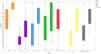
Performances on the Kids-BESTest domains and total score are depicted in Fig. 1. Overall, the children with DCD performed poorer on all domains (p<0.001) and the total score (p<0.001) compared with the typically developing children.

Performances on Kids-BESTest: total and domain scores. The Y-axis shows the percentage of the total score on the Kids-BESTest-2, with a higher percentage corresponding to a better performance. Across all domains and total scores, TD children outperform children with DCD significantly. * p<0.001. D1: Biomechanical constraints; D2: Limits of stability and verticality; D3: Transitions and anticipatory postural adjustments; D4: Reactive postural responses; D5: Sensory orientation; D6: Stability in gait. Abbreviations: D, Domain; DCD, Developmental Coordination Disorder; TD, Typical Developing Children.
The correlation coefficients were high between the Kids-BESTest total score and domain 3 (ρ=0.88, p<0.001), domain 4 (ρ=0.79 p<0.001), and domain 6 (ρ=0.85, p<0.001) and moderate for the other domains (Table 2). As shown in Table 2, the Kids-BESTest total score ( %) was moderately correlated to the MABC-2 total and balance score, and correlated significantly but weakly with age (ρ=0.404, p<0.001). Correlations with sex, though significant, were negligible.
Correlation between Kids-BESTest total score and Kids-BESTest domain scores.
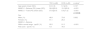
A total of 148 children were included in the analysis. The Kids-BESTest-2 had an 83.3 % sensitivity and 94.7 % specificity when using the MABC-2 balance subscale as a reference. The logistic regression analysis identified age, MABC-2 balance subscale, and total percentiles as predictors for poor performance using the Kids-BESTest cut-off (< 80 % vs. ≥ 80 %) with 92.0 % sensitivity and 92.9 % specificity, after sex was removed from the model. The formula to predict poor performance on the Kids-BESTest-2 was extracted from the logistic regression.
Cross-validation of the probability to predict a poor Kids-BESTest performance
By adding 12 new children with DCD to the model, the sensitivity further increased to 93.5 %. Table 3 shows the cut-off values and their corresponding sensitivity and specificity. The cut-off value of the predicted probability with the highest sensitivity and specificity is 0.6.
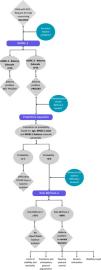
Added value for clinical practiceFig. 2 depicts the flowchart therapists can use when children with DCD seek therapy for postural control-related requests for help. First, the therapist administers the MABC-2. Based on the child’s age and the results on the MABC-2 (balance and total score), the therapist can determine whether the Kids-BESTest-2 needs to be administered using the prediction equation. If the probability exceeds the 0.6 threshold, it is recommended to administer the Kids-BESTest-2, which provides a comprehensive overview of the postural control systems that pose a problem. In Appendix 2, two cases are presented in detail.
Discussion
The aim of this study was to determine the construct and predictive validity of the Kids-BEST-2 in children with DCD with postural control difficulties. The Kids-BESTest-2 was developed to be an in-depth multisystemic test13 for describing postural control deficits in children. These results underscore its indication in children (with DCD) who experience postural control deficits.
We confirmed the construct validity of the Kids-BESTest-2, with 100 % of the hypotheses confirmed. However, for concurrent validity, the hypothesis is not confirmed because the 0.7 cut-off value is not reached.22 It distinguishes the poor performances in children with DCD from their typically developing peers (known-groups validity). Furthermore, each Kids-BESTest-2 domain influences the test’s total score, evidenced by the moderate to strong internal relationships. Lastly, the Kids-BESTest-2 is related to the MABC-2 (total percentile) and age as shown by their significant moderate and weak relationships between both outcome measures, however, the magnitude of the correlation underlines that the Kids-BESTest-2 measures a distinct construct. Finally, with regard to concurrent validity, the MABC-2 balance subscale percentile correlated moderately with the Kids-BESTest-2 scores. Although it did not reach the 0.7 threshold, it indicates they share the same construct but measure different aspects.
Diagnostic criterion B of the DSM-5 entails the significant influence of motor problems on daily living,1,2 resulting in a request for help. As recommended by the DCD guidelines, this should be incorporated into the individualized goal setting for an intervention.1 Children with DCD present with a large inter- and intra-individual heterogeneity in balance performances,25 which is also confirmed by the large distribution of domain and total scores in our DCD sample (Fig. 1). Consequently, comprehensive assessment methods are needed to determine the specific problems, guide interventions, and evaluate treatment effects.1 The results on the MABC-2 subdomains are often used in children with DCD to determine the therapeutic objectives.1 Although the MABC-2 and other balance assessment tools are a good starting point to gain insights into potentially involved types of motor skills, the Kids-BESTest-2 aims to register the underlying postural control systems responsible for the balance problems and can establish more specific therapeutic objectives.
Secondly, for the predictive validity, age, MABC-2 balance subscale, and total percentiles are seen as sensitive predictors of poor performance on the Kids-BESTest-2, which supports our hypothesis. As expected, sex did not influence postural control performance.31 Furthermore, we did not find any clinically relevant associations between sex and the total Kids-BESTest-2 score. The prediction equation depicts age as having the largest contribution, with lower age resulting in a higher probability of a poor Kids-BESTest-2 performance. Literature confirms that postural control performance depends upon the child’s developmental age which continues up to adolescence.12,23 The timepoint at which postural control reaches mature levels is still under discussion and depends upon the type of task.12,23 Moreover, the 80 % cut-off value, previously defined based on preliminary results,25 was confirmed to be clinically relevant in this study by the high sensitivity and specificity. With the above-mentioned formula, clinicians can predict the probability of a child performing poorly on the Kids-BESTest-2, which can be used to decide the relevance of administering the Kids-BESTest, using the probability cut-off value of 0.6, which yielded the highest sensitivity and specificity.
Linear regression is often applied to predict exercise capacity, as measured by the six-minute walk test.32 However, its application is limited to continuous variables. Conversely, logistic regression can be used to predict categorical variables. This method is utilized in sports science for injury prevention and talent identification, as demonstrated by Faber et al., who leveraged it to predict athletic competition results from perceptual-motor skill assessments.33 Logistic regression is also valuable for classifying children into specific groups. Van den Beld et al. utilized it to identify functional muscle strength items predictive of myopathy, offering a less invasive diagnostic alternative.34 This application aligns with our study’s objective of facilitating the diagnostic process and reducing patient burden.
Implications for clinical practiceThe Kids-BESTest-2 is useful to establish a functional diagnosis in children with DCD. It forms an excellent additional tool in treatment planning and in task-specific, goal-oriented training for children with balance problems, which is the recommended intervention for children with DCD.1 Appendix 3 depicts an example of a 9-year-old boy with concerns about their postural control. With the use of the flowchart (Fig. 2), the MABC-2 and Kids-BESTest-2 were administered. The results on the Kids-BESTest-2 show which specific domains are deficient (<80 %). This gives practical information on which systems of postural control the intervention should focus. A recent intervention protocol, a comprehensive, highly intensive balance therapy camp for children with DCD, shows the applicability of the Kids-BESTest-2 as a measurement tool for treatment planning.35
Future researchFuture research is needed in other patient groups, because postural control deficits are highly prevalent across other pediatric groups as well.23 Furthermore, other psychometric properties such as test-retest reliability and structural validity, using more complex analyses, such as rasch analysis and confirmatory factor analysis, need to be performed. Particularly, the latter is very important, because the original BESTest was developed from the knowledge of basic research on postural control. Further research into the structural validity of the Kids-BESTest-2 is therefore necessary.25 Lastly, future research is needed to establish the responsiveness of the Kids-BESTest-2, which is critical to interpret intervention outcomes.
Study limitationsThis study presents results on a large sample of children with DCD. Cross-validation of the probabilities with MABC-2 and Kids-BESTest-2 data of 12 additional children with DCD strengthens the findings. However, the sample comprised only Belgian children and may therefore lack generalizability to other populations. Moreover, comorbidities were not considered and the use of anonymized data from three studies provided access to only a limited set of outcome variables, potentially restricting the logistic regression model.
ConclusionThe Kids-BESTest-2 is a valid assessment tool to identify postural control problems in children with DCD. Furthermore, clinicians can use age and MABC-2 total and balance scores, to predict poor performance on the Kids-BESTest-2, helping determine the need for comprehensive testing. However, further research is needed concerning other psychometric properties and populations.
None to declare.
We would like to thank all children, parents, and schools for their participation in the data collection. The content of this paper was presented orally at the DCD-15|IMDRC-6 conference in Ghent.
This study was supported by the Research Foundation – Flanders (FWO) (43498 – Charlotte Johnson and 11K8622N – Mieke Goetschalckx) and the special research fund of Hasselt University (BOF21INCENT27 – Mieke Goetschalckx, BOF21KP09 – Silke Velghe and BOF23OWB20 – Maja Van Grinderbeek). The sponsor did not have any involvement in the study design, in the collection, analysis and interpretation of data; in the writing of the manuscript; and in the decision to submit the manuscript for publication.
Kids-BESTest-2 tasks per domain
Abbreviations: CTSIB, Clinical Test of Sensory Interaction on Balance; TUG, Timed Up and Go
Case 1. A 9-year-old male presents to your physiotherapy practice, mentioning during the anamnesis that he experiences difficulties on the school playground, specifically with walking on the stepping stones. You administer the MABC-2 and note the following scores: MABC-2 total percentile = 16.0, MABC-2 balance subscale percentile = 37.0. To determine if administering the Kids-BESTest-2 would be beneficial, the prediction equation can be applied:

Since the probability is lower than the 0.6 threshold, there is a low probability of performing poorly on the Kids-BESTest-2. Therefore, this comprehensive assessment tool should not be administered.
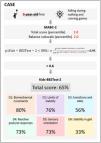
Case 2. A 9-year-old boy presents to your physical therapy practice with concerns regarding his balance. His parents specifically report problems with falling during walking and running games. You administer the MABC-2, noting the following scores: MABC-2 total percentile = 1.0, MABC-2 balance subscale percentile = 2.0. To determine if administering the Kids-BESTest-2 would be beneficial, the prediction equation can be applied:

The equation yields a probability of 0.95. As it exceeds the 0.6 cut-off value, it indicates a high probability of this boy performing poorly on the Kids-BESTest-2. Therefore, the Kids-BESTest-2 will be administered as a next step. A total score below 80 % on the Kids-BESTest-2 indicates a postural control problem. Beyond the overall score, the Kids-BESTest-2 also provides individual domain scores. These specific scores pinpoint the exact affected postural control domains, thereby enabling targeted postural control training. A schematic overview can be found in Appendix 3.