
Neck pain is a common symptom in individuals with migraine, often leading to a more severe clinical presentation. However, despite the established relationship, uncertainties remain regarding its impact on patients.
ObjectiveTo explore the relevance of neck pain in patients with migraine by describing their perceptions, beliefs, and coping strategies.
MethodsThis qualitative, descriptive, and exploratory study followed the COREQ and SRQR criteria. Twenty-seven individuals with an average age of 35.4 years, diagnosed with migraine according to the third edition of the International Classification of Headache Disorders, and self-reporting neck pain were interviewed using a semi-structured questionnaire. Thematic analysis was used to identify, organize, and describe the data. The entire process of coding, categorization, and theme development was conducted using Excel.
ResultsThree main themes were identified: pain characteristics, pain triggers, and coping strategies. Patients described their pain with varying characteristics and associated emotions. Although the pain caused discomfort, it did not interfere with daily activities. Opinions differed regarding the cause of neck pain and the strategies for managing it.
ConclusionNeck pain is prevalent and a relevant symptom for patients with migraine. They expressed differing opinions and uncertainties about its real cause and appropriate management. These findings underscore the importance of assessing the craniocervical system in clinical practice, providing appropriate guidance and treatment, and encouraging informed decision-making
Migraine is characterized by frequent or infrequent attacks1. In addition to the associated symptoms characteristic of migraine, such as nausea, photophobia and phonophobia1, individuals with migraine are 12 times more likely to have neck pain (NP) compared to those without primary headaches2. Moreover, when NP is reported, it generated an increase in the burden of perceived NP and disability3–6.
The presence of NP in these individuals is debated in the literature. It is suggested to be related to the headache's pathological mechanisms7 or could be consequence of a higher prevalence of neck musculoskeletal dysfunctions5,8,9.
The impact of migraine can manifest through physical limitations generated by typical symptoms. It can also manifest by the cognitive and emotional aspects, which can make it difficult to cope with the disease, consequently leading to a burden on their family, social, financial and professional routine7–10.
The presence of NP may be related to a worse clinical migraine presentation, such as more prominent signs and symptoms and a worse psychological burden, reinforcing the impact of the disease4,11,12. In addition, it is recognized that NP can also present as a premonitory symptom or as part of the attacks1,13–15.
However, despite the established relationship between NP and migraine, there have been no studies on how people with migraine experience their NP and its repercussions. Carvalho et al16. explored the experiences of patients with migraine in relation to physical therapy, mentioning NP in this context in their mixed-methods research. The qualitative study by Schulz et al17. reported individual perspectives on the relationship between migraine and NP but did not explore how patients perceive NP in isolation. Gaining a deeper understanding of patients' perceptions of NP through a qualitative approach can fill this gap and help to identify relevant clinical aspects. It can also contribute to more effective therapeutic management18 and a better understanding of the patient's journey in relation to their NP.
We aimed to explore the relevance of NP for patients with migraine and to describe their perspectives, beliefs, and strategies for dealing with it.
MethodsA qualitative descriptive study was carried out based on an interpretative/interpretivist paradigm19,20, which aims to describe the people experience, understandings that people have about their own and others’ actions20, seeking to describe events in everyday terms, leading to a detailed description of the phenomenon of interest21–23, and the meanings they attribute to these19,20.
The study followed the COREQ24 and the SRQR guidelines25. This study was approved by the Research Ethics Committee of Clinical Hospital of the Ribeirão Preto Medical School at the University of São Paulo (code 58915822.1.0000.5440). The participants signed the Informed Consent Form.
Participants and sampling strategiesParticipants were recruited through the research group's social media and a specialist headache outpatient clinic using a purposeful sampling strategy, concretely the Criterion Sampling Technique26. This technique is used when the research seeks to include all cases that meet a predetermined criterion26. The study included individuals of both sexes, aged between 18 and 55, diagnosed with migraine according to the 3rd edition of the International Headache Classification1, with at least one day of migraine attack per month. Participants had to report NP at least twice a month for at least three months. The association between the conditions was based on self-report. Individuals with other primary or secondary headaches, a history of trauma to the face or neck, a history of cervical disc herniation or cervical osteoarthritis and any systemic degenerative disease were excluded. All participants had experienced physical therapy and/or pharmacological treatments at some point.
There are different proposals for estimating sample size in qualitative research (pragmatic considerations, saturation, power of information, etc.)27, as there is no previous formula for calculating it26. Previous studies using empirical tests determined the number of interviews necessary to achieve saturation28–31. A concept saturation proposal by Turner-Bowker et al32. based on empirical test was applied. It describes that 99.3% of concepts, themes, and contents emerged with around 25 interviews. With this proposal, a greater capacity to identify codes, categories, and topics is achieved. In addition, the current proposal also helps researchers to know a reference number to stop collecting data and/or recruiting participants. Finally, 27 participants were included. Two more were added to confirm that no new content emerged.
Data collectionThe researchers had no prior contact with the participants. Individual, semi-structured interviews26 were conducted by the researcher (MDDR). The main questions were: a) Tell me about your NP. How does it feel?, b) Could you describe what it feels like when you have NP?, c) What do you think NP is?, and d) What do you understand about what is happening when your neck hurts? During the interviews, the researchers noted the key words identified in the participants’ responses and used their answers to ask for them to clarify the content (e.g., "Please tell me more about it"). In addition, participants were encouraged to elaborate on their answers, which allowed for a more detailed exploration of their perspectives. The interviews were conducted face-to-face or via a private video chat room through Google Meet. Six participants were interviewed face-to- face, 20 preferred the online modality, and one participant had to split the interview into two parts, first online, and secondly face-to-face. The interviews lasted an average of 59 minutes (SD: 15.6). Field´s notes from researchers were used, such as secondary source of data, which provided in-depth information during data collection26.
Clinical and sociodemographic information (age, body mass index, sex, race, marital status, education, occupation) and characteristics about their headache and NP (diagnosis, Neck Disability Index, Headache Impact Test, frequency of NP and monthly headache attacks, duration of headaches in years) were collected.
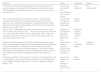
Data analysisAll interviews were transcribed, and Miles et al33. analysis proposals´ based on Codebook Thematic Analysis28,34,35 was conducted. This analytical approach allows us to inductively identify, through several cycles of coding, the content relevant to participants in their narratives, categorize it using a codebook, and present it in a structured way, using matrices or other forms of visualization. The analysis process began by identifying the relevant text fragments that showed information that responded to the research objectives33. From this information, codes (descriptive content) were identified based on the participants' narratives. These codes were then grouped into categories according to their content. These categories were reviewed and grouped into themes, considering similar subjects that could correspond to the experiences reported. Table 1 shows an example of analysis process.
Example of analysis process.
Two researchers (MDDR and JCSM) double-coded the analysis and held weekly meetings to discuss the data, presenting the final categories and themes. If there was a difference of opinion, a third researcher (DPC) and the team discussed to reach a consensus, ensuring triangulation of the researchers36. Excel was used to analyze the data, develop matrices, and make comparative tables of the analysis results.
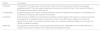
To control trustworthiness, the criteria of Credibility, Transferability, Confiability and Reflexivity were followed36. See Table 2.
Quality criteria for study reliability.
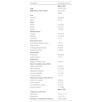
Eighty participants were invited and 32 of them responded. Of these, only 27 met the inclusion criteria and were interviewed (25 women and 2 men), with a mean age of 35.4 (SD 8.3) years. Of those excluded, one had a systemic degenerative disease and four had no NP. The average time since diagnosis of migraine was 20.6 (SD 9.8) years, frequency of NP 13.4 (SD 11.1) days per month and headache 7.6 (SD 7.7) days per month. Of the total sample, 9 were diagnosed with migraine without aura (33.4%), 15 with migraine with aura (55.5%) and 3 with chronic migraine (11.1%). The clinical and demographic characteristics are shown in Table 3.
Characterization of the sample.
N= Total number; SD= Standard deviation; n=number; %= percentage; NDI= Neck Disability Index; HIT- 6= Headache Impact Test
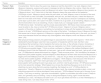
Three themes were identified that described the experiences of patients with migraine reporting NP: 1) Pain characteristics, 2) Triggers of NP, and 3) Coping strategies. Tables 4 and 5 shows narratives obtained from the participants that justify the credibility of the results.
Narration of themes 1 and 2.
Narration of themes 3.
When describing their NP, characteristics such as stiffness, tension, heaviness, and locking emerged. One participant (P16) described the pain as something tangible, like a “brick.” Regarding its location, the trapezius region and the back of the neck were mentioned, and it could be bilateral for some and unilateral for others, whether or not related to the headache.
Regarding the NP during their daily routines, it was described as painful, very painful, uncomfortable, and bothersome. Some participants (P6, P17, P23) reported that they were less bothered by the NP compared to their headaches.
Furthermore, emotional states were reported by all participants. Anxiety, sadness, and frustration emerged when they did not perceive improvement, doubted their ability to manage the pain, or when pain persisted over time. In addition, they felt upset because they thought there was no solution to the tension in their neck and the discomfort. In addition, one participant stated, “I get upset because there’s no solution to stop this tension in my neck. It’s very painful” (P16).
Overall, these accounts indicate varying descriptions of NP among patients with migraine, underscoring both the subjectivity of the symptom and the lack of conceptual clarity. Moreover, it becomes evident that NP is not merely a physical sensation but also influences daily functioning and emotional well-being, highlighting the need for its consideration in clinical practice.
Triggers of neck painThere were divergent views on what triggers NP. Some of the participants believed that there was a direct link between migraine attacks and NP, which could be triggered by headaches or vice versa. “Sometimes I feel the headache comes first, other times the neck pain. I can’t tell which one starts it” (P3). In contrast, others mainly attributed NP to posture and daily positioning, such as when sleeping, with mattress and pillows described as possible contributors. “I don’t allow anything that stresses my neck. I’m very careful with exercises that strain these muscles” (P4).
Emotional factors, particularly stress and anxiety, were also identified as triggers. Yet, some reported uncertainty, with one women stating, “I’m not really sure, maybe it’s the pillow or mattress, or something like that, but sometimes it comes with a headache and sometimes it comes on its own” (P20).
Two participants (P3, P20) who related their NP to migraine attacks had different opinions about the order of the factors in terms of what starts first (the NP or the migraine). Although some said they could see a relationship, they doubted which started first. On the other hand, two participants (P10, P15) began to associate NP with migraine after physical therapy sessions.
These accounts indicate that uncertainty about the true causes of NP was common. While a few participants connected it to migraine, many others attributed it to everyday factors such as tension, posture, or routine habits. This variation highlights how participants make sense of their experiences and illustrates the subjective, multifactorial nature of NP in the context of migraine.
Coping strategiesDuring NP, the strategies included medication, exercise, posture care, and manual therapy. In times of severe pain, they use painkillers and muscle relaxants. Only one participant (P1) sought medical attention to understand the cause of their NP and the medical related emotions to muscle tension capable of generating NP.
Physical exercise appeared as the main prevention strategy for NP among the participants, such as moving the cervical region, stretching, and exercises guided by the physical therapist. However, three participants (P18, P19, P24) reported that exercise did not help, and one (P24) of them said that exercise could make her NP worse.
Regarding posture and manual care, the participants mentioned self-massage, ergonomic strategies during work, and the need to manipulate to feel relief.
Two participants (P4, P16) went to a physical therapist to treat their NP. One reported that they tried to loosen their muscles, but she said she was afraid of myofascial release and that the manipulation made her pain worse, leading to vomiting attacks. The other reported a good experience with manual therapy and the exercises aimed at the cervical region guided by the professional, noting an improvement. However, when NP is already present, most of the participants reported that they did not allow the pain to get in the way of their routines and that they carry on with their lives as normal, some even commented that they have gotten used to it or that they try to change the focus. Some answers show that if the pain were only in the neck and not in the head, they would cope and it would not affect their daily activities.
These reflections indicate that participants sought to adapt to NP to preserve their daily routines, often by shifting focus or normalizing the discomfort. One participant stated, “I just carry on with life as normal. I’ve gotten used to it” (P18). Such accounts suggest that, despite variability in the strategies employed, many participants framed NP as something manageable within everyday life, emphasizing continuity of functioning rather than disruption.
One case (P2) described how normalizing their pain within their family was a tool. Pain normalization consisted of family becoming aware of the need to take care, reminding them about their posture and ways that could help prevent NP triggered by their positioning. Also, making jokes concerning the alignment of their neck ("look at the crooked neck").
DiscussionParticipants described the symptom of pain in the cervical region accompanied by stiffness, locking, tension, discomfort, and pain in other areas. Despite worry and negative feelings (e.g., sadness), none of the participants stopped carrying out their daily activities because of the pain. The biggest divergence was regarding NP triggers in isolation, in which it is not clear to the participants the cause of pain. Finally, most of the strategies for prevention and self-management was non-pharmacological.
Pain characteristicsIn addition to NP, the participants reported feelings of pain, and discomfort, as well as stiffness and tension, which could make it difficult to move. These symptoms were usually found in the trapezius, posterior cervical, and occipital regions, and they were not isolated. Headaches could be present. Previous studies on NP of unknown origin have also observed the same thing regarding its symptoms, in which NP does not appear alone but also with stiffness, tightness, and the sensation of blockage that could make it difficult to perform movements37–40.
Still, other studies that included individuals with NP without another associated diagnosis mentioned headaches, dizziness, visual disturbances, tinnitus, nausea, as well as sleep disturbances37–40. Like our study, in which all the participants had the same symptoms, these are part of the clinical characteristics of patients with migraine, and all our patients received a previous diagnosis when they took part in the interviews. It is, therefore, possible to visualize the complexity that NP can involve.
Neck pain causes frustration, anger, anxiety, insecurity, and depression41. Similarly, patients with migraine experience anxiety, anger, guilt, stigma, isolation, and depression7. The study's data supports these findings. Participants also mentioned anxiety about future attacks and the belief that they will never improve. Studies indicate that fear and anxiety about future pain can lead to greater disability and a distorted perception of pain42–44. Because it is known that the sensation of pain is an individual and subjective perception, emotional factors can influence physical conditions through greater perception of pain and increased sensitivity45. In addition, the belief that pain may persist can hinder the process of self-management and adherence to treatment43.
Triggers of neck painWhen it came to the causes of NP, opinions differed. Some believed that there was a direct link between migraine attacks and NP, which could be triggered by a headache or vice versa. It is already known the relationship between NP and migraine, as in a prospective study that showed that 70% of individuals with migraine has NP and stiffness14, which tends to appear before the attacks or right at the beginning of it1,13,15,46. However, it is still unclear whether cervical symptoms are actually premonitory to attacks or whether they act as triggers13,47, which is also a real doubt for patients who describe it.
Poor posture and stressful mental conditions can lead to increased tension in the neck muscles, causing and maintaining neck pain37,38,48. Participants in the study mentioned that they need to be mindful of their posture to avoid neck pain, which aligns with other studies showing a link between neck pain and migraine. Emotional factors like stress and anxiety are also identified as triggers for neck pain17.
Finally, emotional factors, especially stress, have been identified as a triggering factor for NP, corroborating other authors, who have shown that emotional elements, such as anxiety and stress, have also been identified as responsible for the onset of NP37,41,48.
One of our interviewees mentioned that when seeking treatment for her NP, techniques performed by physical therapists, such as myofascial release of trigger points and manipulation, were able to worsen their symptoms, with episodes of vomiting, and that certain exercises could also lead to worsening pain. This is in line with the study by Carvalho et al16, which found that part of their sample reported that treatments conducted by physical therapists, including trigger point therapy and exercises, could trigger migraine attacks. This can be justified, as NP is present in attacks. When certain techniques are performed during an installed attack, they can be less effective and even worsen the condition. When we think about the pathophysiology of the disease, which is related to central sensitization16,49. These responses are a warning sign to health professionals when assessing and treating this patient population.
Coping strategiesMost participants found physical therapist-led exercises and stretching helpful for preventing neck pain. Manual therapy, especially self-massage, was also mentioned. A study by Carvalho et al16, had mixed results: some participants improved, some saw no change, and some had worse headaches.
Schultz et al17, on the other hand, followed the same line of results as ours, where participants reported that physical exercise, in general, was an important aspect of controlling the disease and that many patients seek treatment with physical therapists or chiropractors as prevention or after attacks. Stretching was also cited as a good strategy when the pain is related to muscle tension.
Our results show how pharmacological strategies were used in cases of more intense pain, such as analgesics and common muscle relaxants. Generally, non-pharmacological treatments may be a better option as they do not involve side or adverse effects50, and within this, some participants in another study claim to use medication only if stretching and relaxation exercises do not resolve, but for others medication is their first choice as a treatment17.
When NP presents on its own, it does not lead to changes in activities of daily living, despite being uncomfortable and difficult to deal with, and they are able to maintain them normally. Other studies have shown that patients with only NP of unknown origin have had to modify their work activities, being forced to take long periods of absence37–39,51.
We believe that the fact that most of our participants had low or no disability on the NDI may justify this difference with other published studies.
Concerning individuals diagnosed with migraine but who did not assess the presence of NP, participants reported that the pain ended up affecting their quality of life, leading to lower performance in work activities and difficulty in social activities8,52. Moreover, when NP and headache are associated, there is greater disability, lower productivity at work, depression, anxiety, and allodynia14. Corroborating the previous findings, the interviewees reported that whether the headache is present with NP has consequences for their quality of life regarding emotional, work, social, and economic aspects.
The participant describes the normality that her family brings to her condition and the awareness they have created about the need for her to take care of her neck. According to Kragting et al41, patient's perception of their pain can be influenced by their family members, and our participant mentioned that this care helped them to remember their posture and ways to prevent NP.
Strengths and limitationsThis is the first study to our knowledge to specifically address migraineurs' perceptions of NP. In addition, it is also the first study to our knowledge to be conducted with Brazilian individuals on this topic. Through our findings, we were able to understand patients' views and beliefs about their NP without associating it with migraine to provide insights into the importance of NP for them. Concerning limitations, we did not have more information about the treatments our participants had previously undergone, but this may influence their experience and could be addressed in future studies.
ConclusionsOur findings provide insights into the perspective of individuals with migraine in relation to NP. The study found that individuals with migraines view NP as a significant and uncomfortable symptom that causes worry, anxiety, and frustration. However, NP generally does not interfere with their daily activities unless it is accompanied by headaches. The participants were unsure about the cause of NP and had different opinions on the matter. They mostly manage NP on their own using non-drug prevention and treatment methods.
From a clinical perspective, this study highlights the importance of routinely assessing NP in patients with migraine, as its presence, even when not disabling, may compromise quality of life. Health professionals should provide guidance based on each patient’s individual experience, considering the subjective nature of pain and explaining not only about NP itself but also how to manage and treat it effectively. Recognizing the multifactorial and subjective characteristics of NP can enhance individualized care and contribute to better clinical outcomes.
None to declare
This work was supported by the São Paulo Research Foundation (FAPESP), Brazil [Process number 2022/11906-0]; Coordenação de Aperfeiçoamento de Pessoal de Nível Superior – Brasil (CAPES) – Finance Code 001